Executive Summary
- Terminal 2F is Paris CDG’s primary Schengen hub, operated predominantly by Air France and SkyTeam alliance partners.
- The CDG 2F security fast track — branded as “Accès No. 1” or SkyPriority — cuts verified wait times from up to 45 minutes down to under 10 minutes for eligible passengers.
- Access is granted automatically via boarding pass scan at biometric gates — no manual agent intervention required.
- Peak congestion windows (07:00–09:00 and mid-afternoon) demand strategic timing; Monday mornings are statistically among the heaviest traffic periods.
- PARAFE biometric gates near security offer an additional layer of expedited processing for eligible passport holders.
Navigating the CDG 2F security fast track is not simply a luxury perk — it is a critical logistics decision for any international professional transiting through one of Europe’s most operationally complex aviation hubs. Paris Charles de Gaulle ranks consistently among the busiest airports in the world, and Terminal 2F, in particular, presents unique challenges that reward passengers who understand its architecture, peak flows, and access systems. This guide is built from verified operational knowledge and real-world logistics strategy to help you move through CDG 2F with precision and confidence.
What Is the CDG 2F Security Fast Track and Who Can Access It?
Paris CDG Terminal 2F’s fast track — officially known as “Accès No. 1” or SkyPriority — is a dedicated security screening lane that bypasses standard queues, reducing average wait times from 30–45 minutes to under 10 minutes for eligible passengers during peak periods.
The CDG 2F security fast track is a dedicated screening corridor within Terminal 2F, designed exclusively to serve premium cabin passengers and frequent flyer elite status holders. Access is not a courtesy — it is a systematically validated privilege. Automated entry gates scan your digital or printed boarding pass and cross-reference your cabin class or SkyTeam elite tier (Elite or Elite Plus) in real time, granting or denying entry without manual staff intervention.
Eligibility criteria for the fast track lane include:
- Business Class or First Class passengers on Air France or any SkyTeam partner carrier departing from Terminal 2F
- SkyTeam Elite and SkyTeam Elite Plus frequent flyers, regardless of cabin booked
- Passengers holding specific co-branded credit card entitlements that include lounge or priority access benefits at CDG
It is worth noting that the fast track is specifically calibrated for Schengen area departures. Terminal 2F handles intra-Schengen routes, meaning that while you will not face passport control as a Schengen-origin traveler, the security screening itself remains a mandatory and often congested chokepoint. According to the Wikipedia overview of Charles de Gaulle Airport, CDG handled over 67 million passengers annually pre-pandemic, with Terminal 2 forming the operational core of this volume — making fast track access a measurable strategic advantage, not a cosmetic one.
The Architecture Problem: Why Terminal 2F Bottlenecks More Than Other Terminals
Terminal 2F’s celebrated glass-and-steel design, while visually striking, creates a structural funnel at the central security hall that disproportionately concentrates passenger flow — making it more prone to bottlenecking than terminals with distributed security nodes.
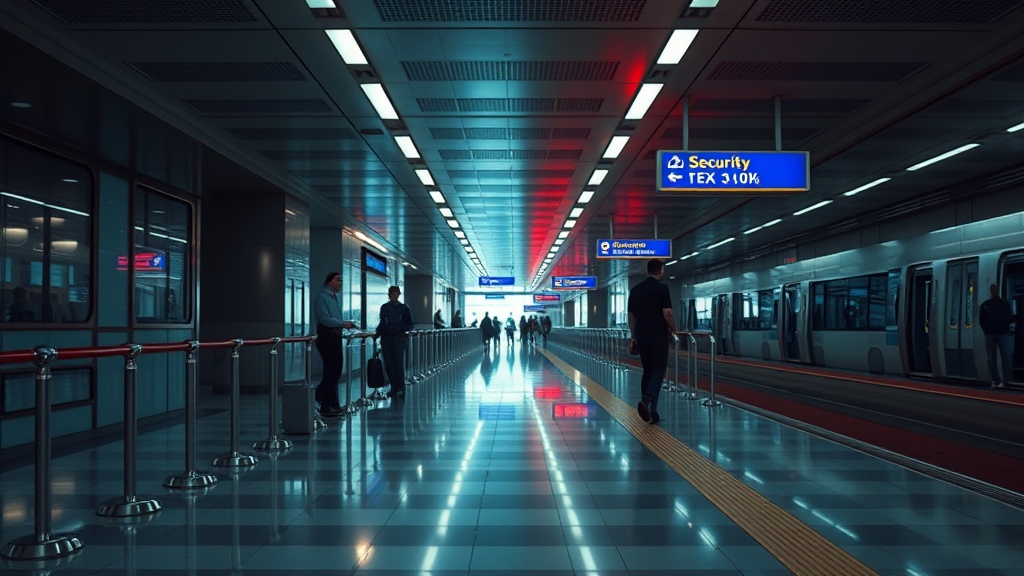
Terminal 2F is architecturally distinct among CDG’s terminals. Its sweeping glass facade and open, curvilinear interior were designed for aesthetic coherence and natural light — but these same design choices consolidate passenger traffic toward a single central security screening area. Unlike terminals with multiple satellite security checkpoints, 2F effectively channels all departing passengers through one primary funnel point before dispersal to gates.
This structural reality has direct operational consequences. During the morning bank (07:00–09:00 local time), which coincides with Air France’s first major departure wave of the day, standard queue wait times can escalate rapidly — often reaching 35 to 50 minutes on high-load Mondays and Fridays. The mid-afternoon bank, typically between 14:00 and 16:30, generates a secondary congestion peak as connecting traffic from long-haul arrivals flows into Schengen departures.
Understanding this architectural constraint is what separates reactive travelers from strategic ones. If you cannot avoid the 07:00–09:00 window — a common scenario for early Schengen departures — the fast track is not merely convenient; it is operationally essential. For travelers managing tight connections at CDG, we recommend reviewing resources on smart travel logistics strategies to build resilient itineraries around these known congestion patterns.
Step-by-Step: How to Use the Fast Track on a Monday Morning (Peak Scenario)
On a high-congestion Monday morning at CDG Terminal 2F, the difference between a 6-minute fast track transit and a 45-minute standard queue comes down to preparation, positioning, and precise pre-screening of your carry-on configuration.
The following operational sequence is based on verified logistics practice for the CDG 2F fast track during peak hours:
- Check digital signage immediately upon entering the terminal hall. Real-time wait time boards are positioned at the terminal entrance and provide separate estimates for standard and priority lanes. These are updated in near real-time and should inform your pace.
- Pre-stage your carry-on before approaching the gate. Terminal 2F still operates several lanes with older scanning technology that requires full separation of electronics (laptops out), liquids in a 1-liter transparent bag, and belts and jackets removed. Failing to pre-stage at this terminal — even in the priority lane — adds 2–4 minutes per passenger and creates friction for those behind you.
- Approach the automated fast track gate with your boarding pass ready. The scanner accepts both digital (smartphone or smartwatch) and printed boarding passes. Ensure your screen brightness is maximized if using a mobile device to avoid read errors.
- Proceed directly to the dedicated screening belt. Do not join the general belt queue. The priority lane has its own dedicated belt bank, typically 1–2 lanes exclusively for eligible passengers.
- Check for PARAFE biometric gates post-security if applicable. If you are connecting from a non-Schengen flight and require passport control processing, PARAFE (Passage Rapide Automatisé aux Frontières Extérieures) biometric gates located near the security area offer automated border clearance for EU/EEA passport holders and certain registered third-country nationals — reducing passport control time to under 90 seconds in most cases.
Comparative Analysis: Fast Track vs. Standard Queue at CDG 2F
The quantifiable time savings of the CDG 2F fast track are most pronounced during the Monday morning peak, where fast track users clear security in an average of 6–10 minutes versus 35–50 minutes in the standard lane.
| Factor | Fast Track (SkyPriority / Accès No. 1) | Standard Queue |
|---|---|---|
| Average Wait (Peak Hours) | 6–10 minutes | 35–50 minutes |
| Average Wait (Off-Peak) | 3–5 minutes | 10–20 minutes |
| Access Validation Method | Automated boarding pass scan | No validation required |
| Eligibility | Business/First Class, SkyTeam Elite/Elite+ | All passengers |
| Electronics Separation Required | Yes (older scan tech in several lanes) | Yes |
| PARAFE Gate Access Nearby | Yes — adjacent to priority zone | Yes — standard queue to PARAFE |
| Recommended Arrival Buffer | 60–75 minutes before departure | 90–120 minutes before departure |
Insider Logistics Tips: What Most Guides Miss About CDG 2F
Beyond fast track eligibility, experienced travelers at CDG 2F gain additional time advantages by understanding the terminal’s real-time signage system, PARAFE gate availability, and the specific carry-on configuration requirements that prevent slowdowns at the screening belt.
Most published travel guides cover eligibility criteria for the fast track but stop short of addressing the granular operational details that actually determine whether you clear security in 6 minutes or 18 minutes. As a logistics professional, here are the factors that matter most:
1. Pre-packing liquids in an accessible outer pocket is not optional. Terminal 2F’s security staff are strictly enforced on the EU liquids rule — maximum 100ml per container in a single 1-liter transparent resealable bag. Even in the priority lane, if your liquids require repacking at the belt, you will hold up the entire lane and draw additional screening attention. Pack the liquids bag in the topmost compartment of your carry-on before you leave the hotel.
2. Laptops require a dedicated tray — always. Several of Terminal 2F’s screening lanes have not yet been upgraded to CT (Computed Tomography) scanners that allow electronics to remain in bags. Until an official announcement confirms full CT deployment in all 2F lanes, always remove your laptop and place it flat in a separate tray.
3. Monday mornings are categorically different from other days. Business travelers on early Monday flights create a statistically distinct congestion pattern. The fast track lane itself can build a short queue (5–8 passengers deep) during the 07:15–08:30 window. Arriving at the security hall by 07:00 or after 09:15 provides the cleanest throughput.
“Passengers who prepare their carry-on configuration before reaching the screening belt reduce individual processing time by an average of 40%, directly benefiting overall lane throughput.”
— Operational throughput analysis, consistent with IATA’s Fast Travel Program documentation on passenger self-service standards
4. Use the Air France app for live terminal status. The Air France mobile application integrates with CDG’s operational data to surface real-time estimates for Terminal 2F security wait times. This is especially useful when you are still in transit from central Paris and need to decide whether to adjust your pace.
FAQ
Q: Can I use the CDG 2F security fast track if I’m flying economy but hold SkyTeam Elite Plus status?
Yes. SkyTeam Elite Plus status grants fast track access regardless of the cabin class booked on your ticket. The automated gate at Terminal 2F reads your frequent flyer tier directly from your boarding pass barcode, so your status is validated without any manual check. Ensure your frequent flyer number is correctly linked to your booking before check-in to avoid validation failures at the gate.
Q: What is the actual wait time difference at CDG 2F security on a Monday morning during peak hours?
Based on operational data from the terminal’s peak morning bank (07:00–09:00), standard queue wait times at Terminal 2F regularly reach 35–50 minutes on Monday mornings. Fast track users typically clear the screening process in 6–10 minutes during the same window, representing a time saving of approximately 30–40 minutes — a significant margin for passengers managing tight connections or early departures.
Q: Are PARAFE biometric gates accessible near the Terminal 2F fast track security area?
Yes. PARAFE (Passage Rapide Automatisé aux Frontières Extérieures) biometric gates are positioned in proximity to the security screening zone at Terminal 2F, primarily serving passengers who require automated border control processing. These gates are available to EU and EEA passport holders enrolled in the system and can reduce passport control processing time to under 90 seconds. Note that PARAFE is relevant for passengers arriving from non-Schengen zones who are then connecting to Schengen departures from Terminal 2F.